


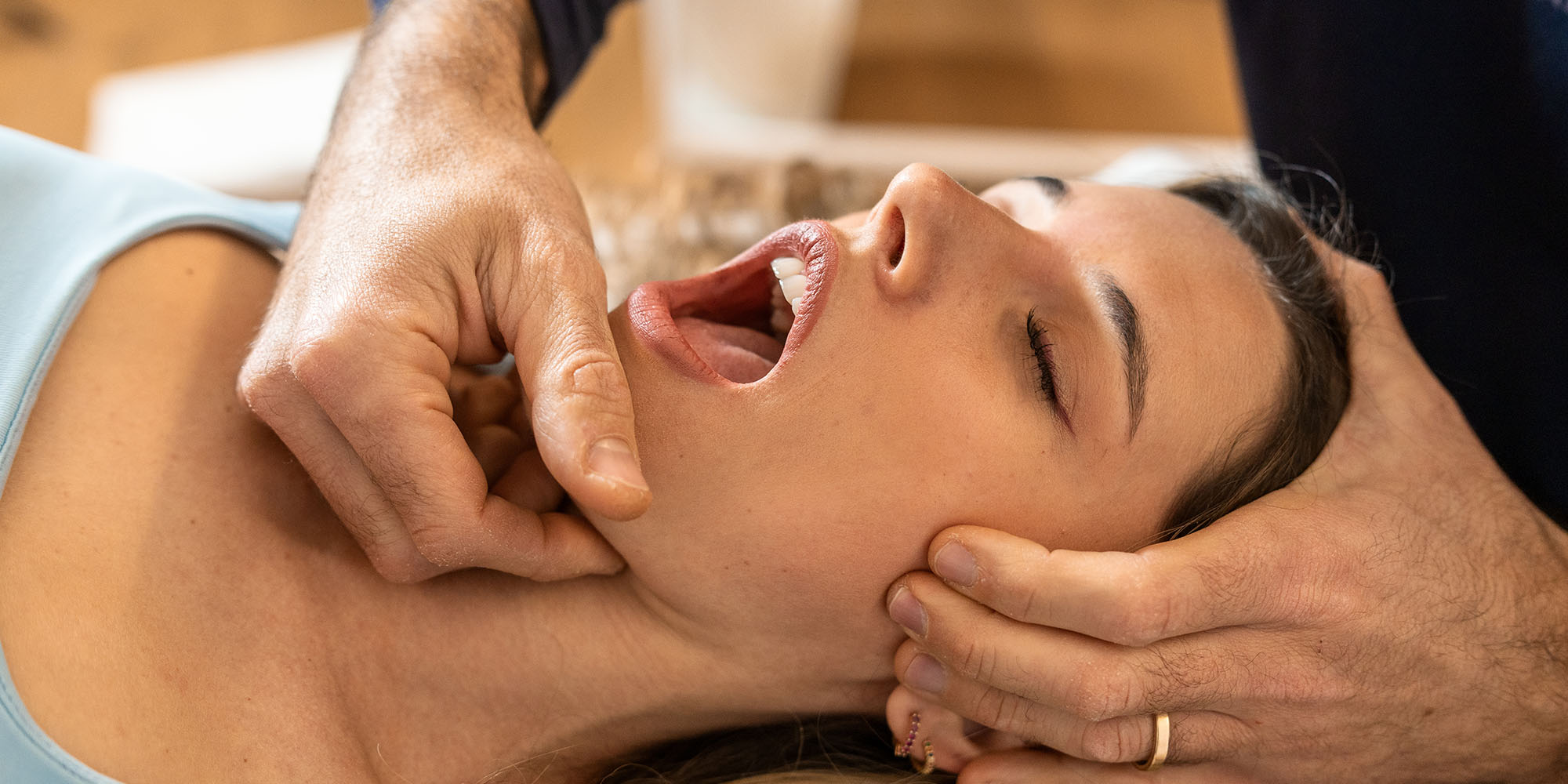

Is your jaw aching, popping or strained after eating or yawning? Here at Sarum Dental in Salisbury, we’re seeing a growing number of patients inquiring about jaw pain, and often the culprit is something called TMJ Disorder (also known as Temporomandibular Joint Disorder). Don’t worry – it’s not as scary as it sounds! But it is something worth checking out.
Keep reading to learn more about TMJ and what our dental experts recommend if you’re suffering from jaw pain.
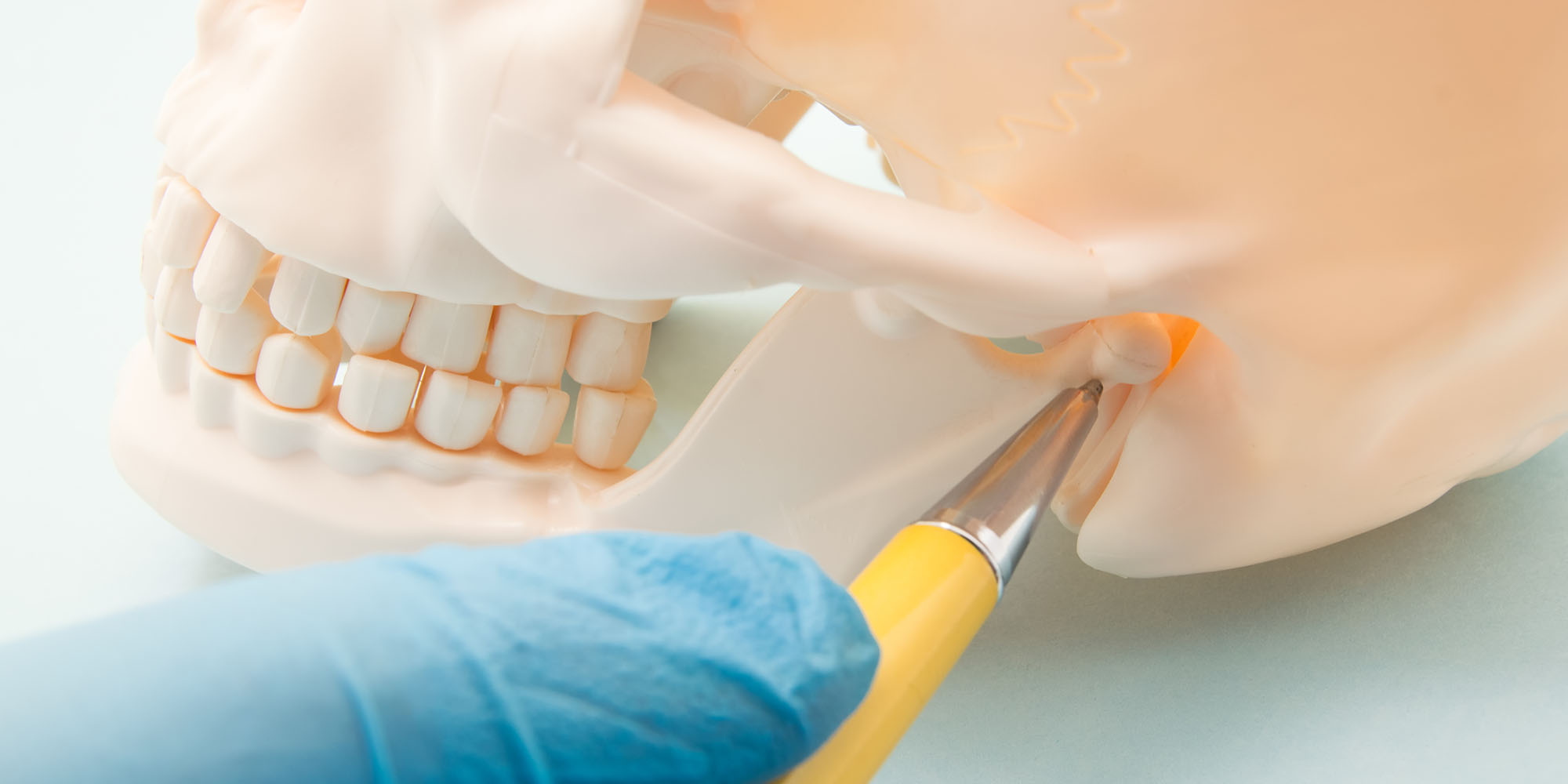
What exactly is TMJ?
The temporomandibular joint is the hinge that connects your jawbone to your skull. It allows you to talk, yawn and chew. When that joint becomes inflamed or misaligned, it can cause quite uncomfortable symptoms, including disturbing pops and clicks, stiffness, headaches and even neck pain.
In many cases, some patients don’t even realise that it’s their jaw that is causing their symptoms! That’s why it’s so important to attend regular checkups with your local Salisbury dentist, especially when something doesn’t feel right.
Common Signs of TMJ Disorder:
- Popping and clicking when you open and close your mouth
- A feeling of tiredness and tightness in the jaw – especially in the morning
- Difficulty chewing certain foods
- Unexplained headaches or earaches
- Jaw locking or a feeling of limited movement
- Worn-down teeth from grinding at night
If any of these symptoms sound familiar to you, don’t panic. TMJ issues such as these affect millions of people. But here’s why you shouldn’t ignore it.
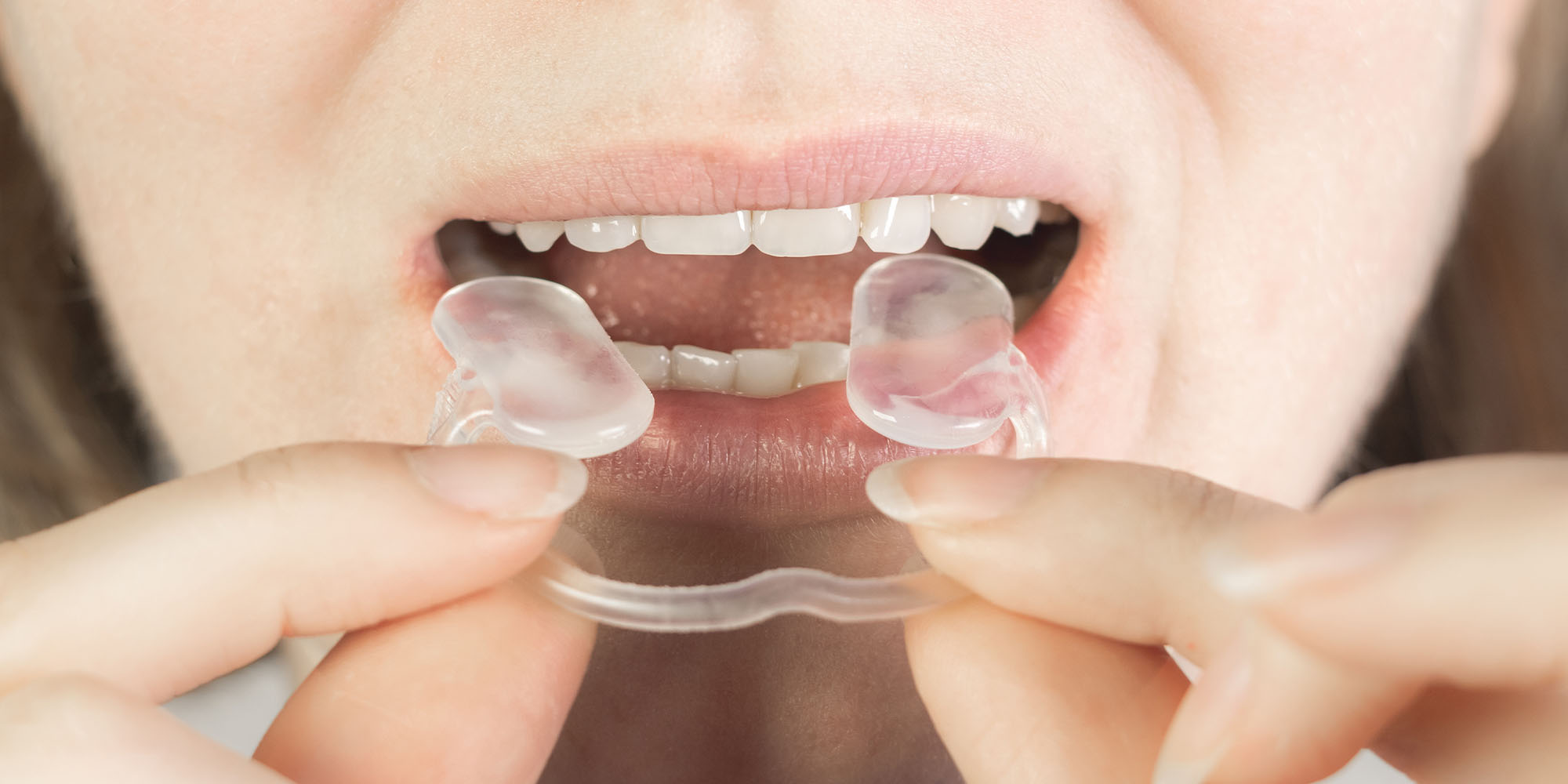
Treating TMJ Disorder in Salisbury
Many patients who experience TMJ symptoms don’t realise how connected their pain is to things like grinding teeth and even unmanaged stress.
If you clench your jaw unknowingly throughout the day or sleep with your teeth tightly pressed together, then you could be putting serious strain on your jaw joint. If left untreated, TMJ can lead to chronic discomfort and even long-term bite issues. So what can you do?
Firstly, we recommend booking a checkup at our dental practice in Salisbury. We’ll help identify what’s going on. From our detailed assessment, we might recommend:
- A custom night guard to stop you from grinding your teeth while you sleep
- Bite alignment treatment, including Invisalign teeth straightening or composite bonding
- Advice on posture, habits and stress reduction
- Referral for physiotherapy if needed